
XML-TEI data for ‘The Invention of Ancient Theatre in the Corpus of 16th-Century Scientific Paratexts: Analysis, Translation, and Digital Exploration’
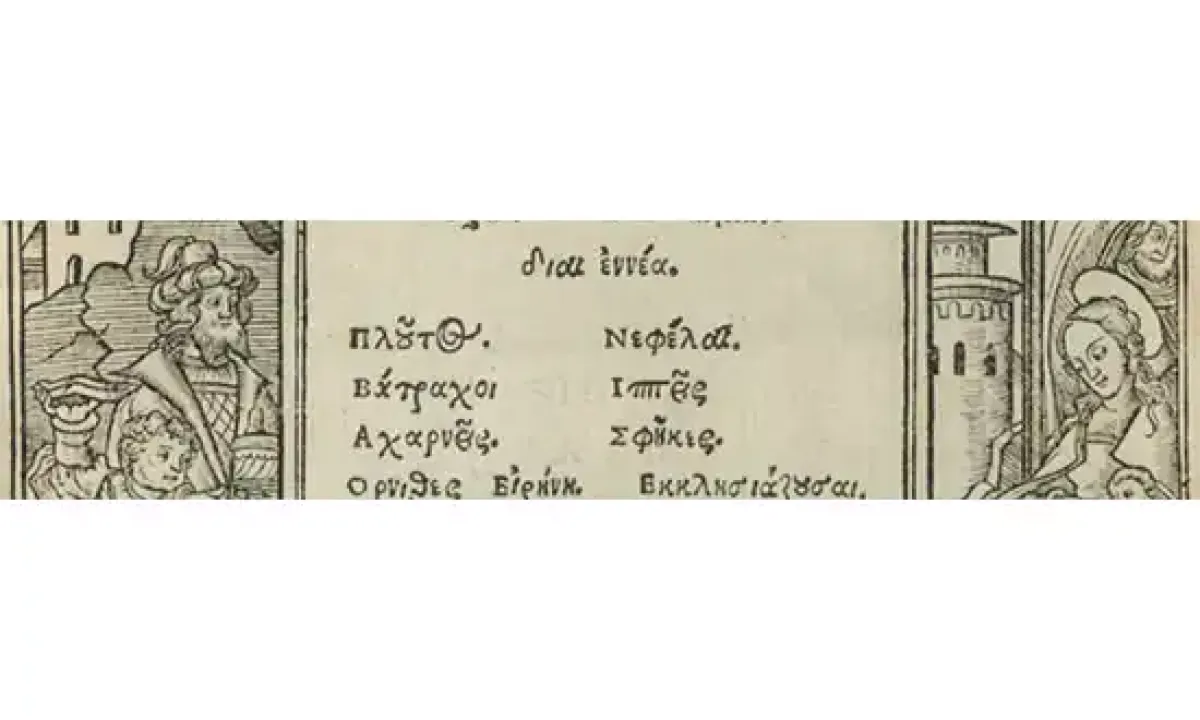
Ancient theatre in the 16th century: how Europe rediscovered, interpreted and disseminated the founding texts
The ANR IThAC project aims to study the reception of ancient theatre in 16th-century Europe through an analysis of the scholarly printed paratexts devoted to it at that time. The project also involves translating this corpus in French for the academic community, through the development of a flexible digital interface. An assumption is made that the collection, translation and analysis of this corpus—neglected for a long time because it was physically difficult to access and largely written in Latin, or even Greek—will enable us to understand both:
- How ancient theatre was received and understood by its ‘inventors’ in 16th-century Europe,
- How the ideas and methods they convey, at a time when both modern theatre and philology were being invented, circulated and developed, thanks in particular to their wide dissemination made possible by the printing press.
Led by Malika Bastin-Hammou (UMR Litt&Arts), this project is being carried out in collaboration with the HiSoMA UMR. It brings together a team of 15 researchers from Litt&Arts and HiSoMA. It has secured 48 months of funding under the ANR’s 2019 action plan.
This dataset contains the paratexts and their translations, encoded in XML-TEI format, along with the associated rng and odd files, as well as the encoding manual.